When luxury beauty brands evaluate their Amazon strategy, a consistent pattern emerges. The marketing team gets excited about Amazon 1P (Vendor Central), the sales team sees the volume potential—but when the actual financial implications reach the CFO? The enthusiasm quickly fades.
Here's why CFOs tend to push back on Amazon 1P—and why they often champion the 3P (Seller Central) model instead.
Of course, choosing the right model is just the beginning; executing effective sales and marketing strategies within that model is where brands actually win (more on that soon).
The 1P Reality Check: Where Profits Go to Die
The Margin Erosion Game Amazon doesn't just buy your products—they squeeze margins through:
- Chargebacks
- Co-op advertising fees
- Lightning deals and prime co-op
- Shortages
- RTV charges
Luxury beauty brands routinely lose 15-30% of their expected margins to these hidden costs.
Payment Terms That Kill Cash Flow Amazon 1P operates on up to net-90 day payment terms. For any CFO managing cash flow, this is a nightmare.
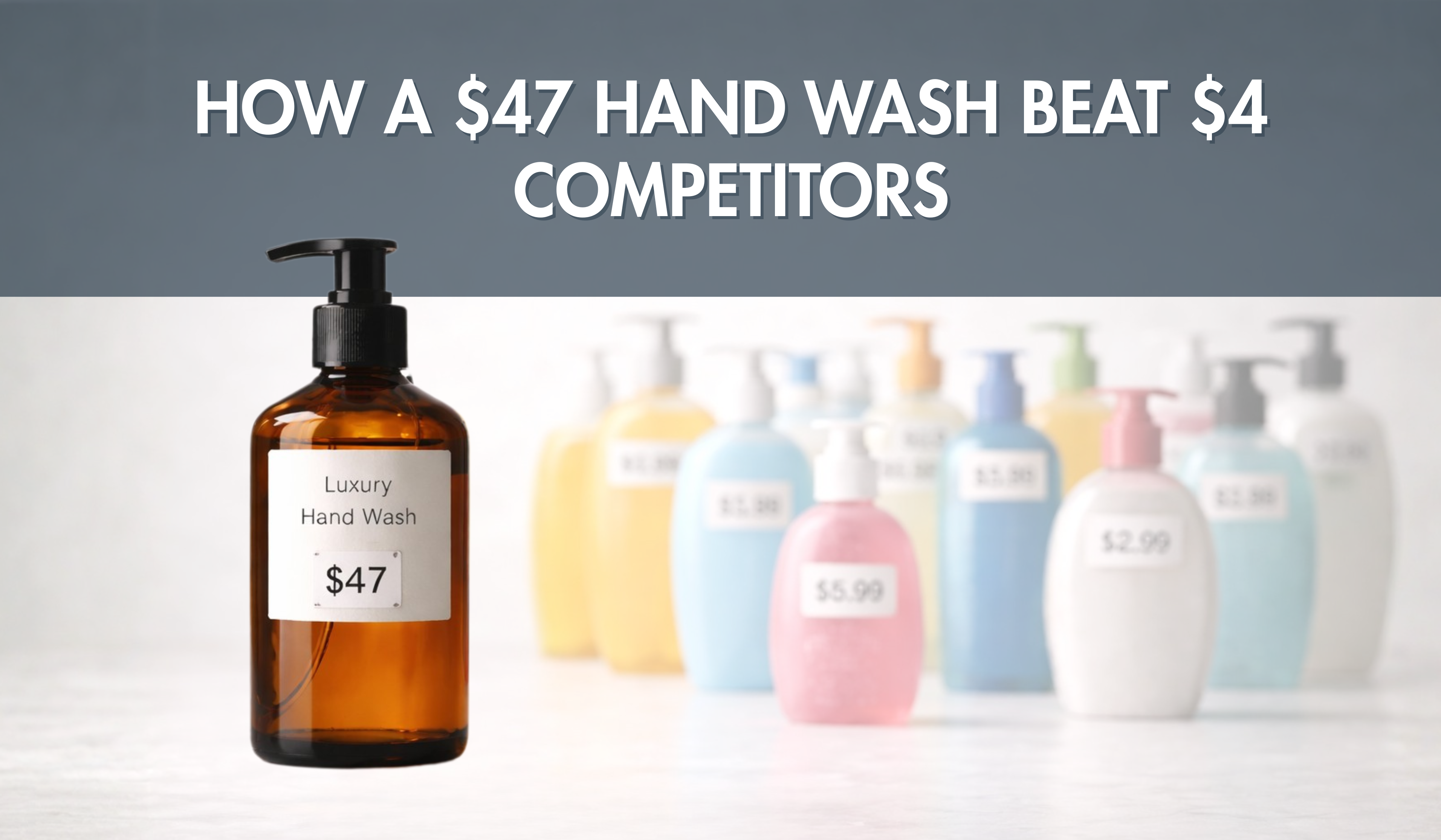
No Control Over Your Own Pricing Once Amazon owns your inventory, they control the price. They'll match competitors, run promotions without approval, and optimize for their metrics—not your margins.
Even worse, when Amazon discounts your products without approval, they often make vendors pay for the difference on the backend. Your company loses all pricing control and predictability. And for luxury beauty brands, this is also damaging to brand equity.
Why 3P Makes CFOs Sleep Better at Night
Predictable Margins With a 3P distribution partner, you sell your inventory at a wholesale margin. What you see is what you get. No surprise chargebacks, no mysterious deductions. No returns.
Cash Flow Control 3P partnerships allow brands to negotiate favorable payment terms with experienced distributors rather than being locked into Amazon's quarterly payment delays.
Inventory Management While 1P forces brands to sell inventory to Amazon and lose all control, 3P allows experienced distributors to purchase and manage inventory while maintaining pricing control and brand standards.
Transparent Fee Structure With a 3P partnership through SAYN, your CFO gets complete financial visibility from day one. Every fee, cost, and margin is clearly outlined upfront—no surprises, no hidden charges, no mysterious deductions appearing months later.
While Amazon 1P buries brands under unexpected costs like overage charges, return fees, damage claims, chargeback penalties, and surprise promotional expenses, SAYN operates differently. We absorb all platform fees, inventory risk, and operational management costs, delivering predictable wholesale pricing that lets your CFO model profitability with confidence.
When 1P Might Still Make Sense
1P isn't always wrong. For very large brands with:
- Strong negotiating power with Amazon
- Excess working capital
- High-volume, low-margin products
- Dedicated Amazon team to manage the relationship
- Grandfathered terms from early Amazon adoption (some brands still have 40%+ margin agreements from 2015-2017)
1P can work. But for most mid-market luxury beauty brands in the market today, the financial structure heavily favors 3P.
The Bottom Line for Luxury Beauty Brands
Your CFO's concerns about Amazon 1P aren't just about spreadsheets—they're about fundamental business health. Before committing to 1P, run the real numbers including working capital costs, hidden fees, and loss of pricing control.
This is precisely why SAYN focuses on helping luxury beauty brands succeed through Amazon's 3P model. It's not just about better margins—it's about maintaining the control and flexibility that luxury brands need to thrive on Amazon.