.png)
There was a time when launching a beauty brand on Amazon before securing traditional retail placement was considered career suicide. The whispers at industry events were unmistakable: "They went to Amazon? They must not be able to get into Sephora." The assumption was that marketplace presence signaled desperation, not strategy.
The Stigma Has Lifted
The beauty industry has undergone a seismic shift in how it views channel strategy. What was once seen as a last resort has become a legitimate—and often smart—first move for emerging brands.
"The landscape has evolved significantly," says Allison Slater Ray , Co-founder of Breakthru Beauty and former SVP of Marketing at IT Cosmetics. "The old stigma around launching on Amazon before traditional retail has dissipated. Today, brands can build momentum and prove demand across multiple channels simultaneously. It's about meeting customers where they are and having a strategy for each channel that is differentiated, ensuring that you know your priorities."
The data backs it up. Amazon is projected to become the #1 beauty retailer by U.S. market share— surpassing Walmart for all beauty category sales- and the momentum is undeniable. Digital channels are expanding several times faster than in-store retail, a trend continuing through 2025 and a clear signal of where consumers are heading.
Amazon has gained 7 points of market share since 2021, with 64% of that growth coming from existing customers buying more and nearly 31% from shoppers migrating from other platforms. Beauty specialty shoppers are migrating to Amazon at twice the rate of mass retail shoppers.
Why Amazon-First (and DTC-First) Makes Strategic Sense
For emerging beauty brands, leading with Amazon and DTC isn't settling—it's smart business. Here's why:
1. Proof of Concept Without the Gatekeepers
Traditional retail requires convincing buyers to take a bet on your brand before you've proven market demand. Amazon and DTC flip that equation. You can demonstrate sell-through, gather customer reviews, and build a track record of performance. When you do approach Sephora or Ulta, you come with receipts, not just pitch decks.
2. First-Party Data Ownership
DTC channels give you direct access to customer data—purchasing behavior, preferences, and feedback—that fuels smarter product development and marketing decisions. This is the lifeblood of modern brand building, and it's something wholesale relationships rarely provide.
3. Speed to Market
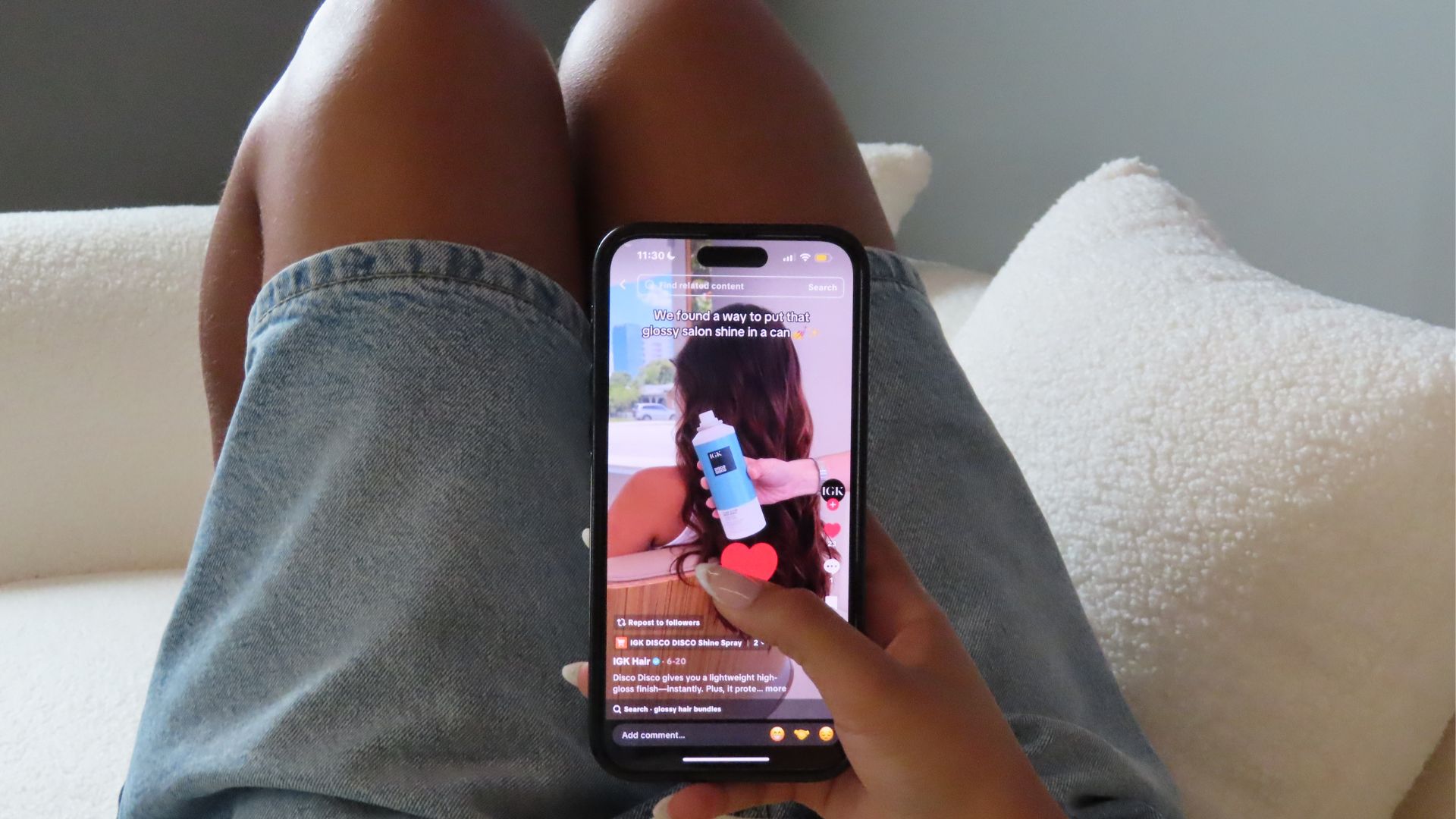
Traditional retail operates on 12-18 month planning cycles. Amazon and DTC allow you to react to trends in real time. When a product goes viral on TikTok, marketplace-first brands can capitalize immediately rather than waiting for a retail buyer to respond.
4. The Customer Has Already Decided
Consumers aren't shopping in channel silos anymore. They discover products on TikTok, research on Google, and buy wherever is most convenient—often Amazon. Meeting them where they already are isn't a compromise; it's common sense.
The Brands Proving the Model
The proof is in the results. Hero Cosmetics launched exclusively on Amazon in 2017 with a single SKU, used that traction to land Anthropologie within months, and didn't even build a DTC site until a year later. The playbook—"1 SKU on Amazon, then a few SKUs, 1 SKU at Target, then more SKUs, 1 SKU at Ulta, then a whole shelf"—led to a $630 million acquisition by Church & Dwight in 2022.
DIME Beauty Co followed a similar path, building a loyal DTC following before expanding to Amazon and entering then through the Sparked program. K-beauty brand focused entirely on Amazon and TikTok after its 2020 US launch, becoming the one of the fastest-growing beauty brands on Amazon before its major Ulta Beauty rollout in August.
These aren't outliers—they're the new template.
Retailers Are Embracing the Shift
Here's what's changed: retailers aren't penalizing brands for Amazon or TikTok success anymore. They're actively recruiting them.
Ulta's Sparked program was designed specifically to fast-track digitally native brands with proven demand into stores. Target has built out its beauty assortment by partnering with brands that have already demonstrated sell-through online. Both retailers recognize that a brand with thousands of reviews, strong velocity on Amazon, and viral TikTok moments is a lower-risk bet than an unproven launch.
The conversation has flipped. Instead of "Why are you on Amazon?", retailers are now asking "What's your Amazon ranking?" and "How are you performing on TikTok Shop?" Brands that come to the table with data—real sell-through, customer reviews, and social proof—are getting meetings faster and better placement.
This creates a virtuous cycle: prove demand on marketplaces, leverage that traction for retail partnerships, then use retail presence to further legitimize the brand and drive even more online discovery.
What This Means for Established Brands
This shift isn't just relevant for emerging brands. Established brands that have historically avoided or underinvested in Amazon are now rethinking their approach—and for good reason.
The reality is that your customers are already on Amazon, whether you're there strategically or not. The question isn't if you should have a marketplace presence, but how to do it in a way that protects brand equity while capturing demand.
For established brands, the concerns are real: channel conflict with existing retail partners, pricing integrity, unauthorized sellers, and maintaining the premium positioning you've worked hard to build. But these challenges are manageable with the right strategy. Brands like Estée Lauder, Clinique, and La Mer have all made their Amazon debuts recently, proving that even the most prestige-conscious companies see the writing on the wall.
The key is approaching Amazon as a strategic channel, not an afterthought. That means controlling your brand story on the platform, protecting against unauthorized sellers, maintaining pricing discipline across channels, and ensuring your Amazon presence complements rather than cannibalizes your retail partnerships.
Ignoring Amazon doesn't make the channel go away—it just means someone else is telling your brand's story there.
The key is having a differentiated strategy for each channel. Amazon might be your replenishment engine while DTC is your discovery and loyalty play. Your hero products might live everywhere while limited editions stay exclusive to your own site.
The Bottom Line
The old playbook—secure prestige retail, then maybe consider Amazon—was written for a different era. Today's winning brands meet customers where they shop, build demand before seeking distribution, and use data to make every decision smarter.
The stigma is gone. The opportunity is here. The brands that embrace this new reality will be the ones writing the next chapter of beauty.